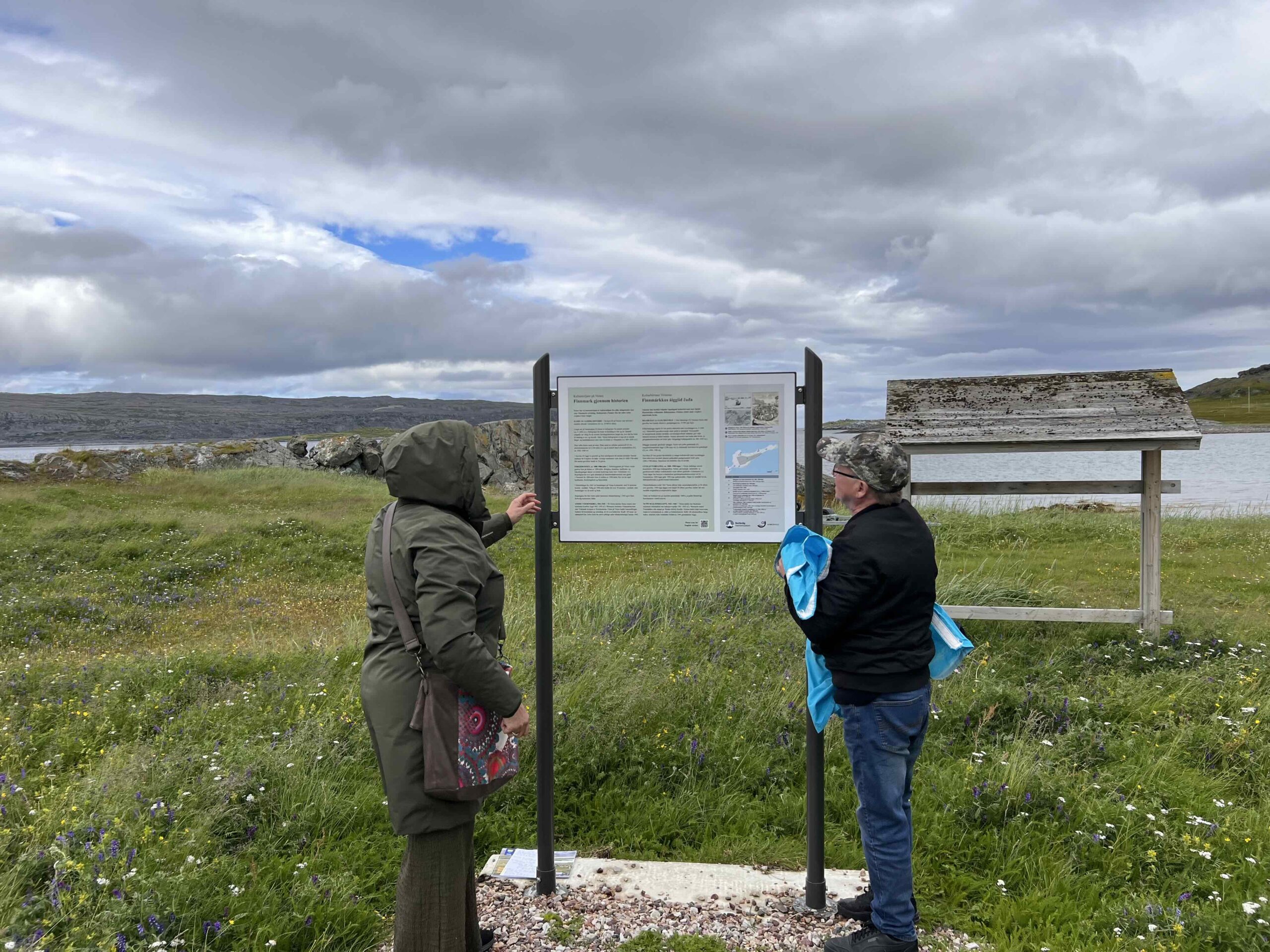
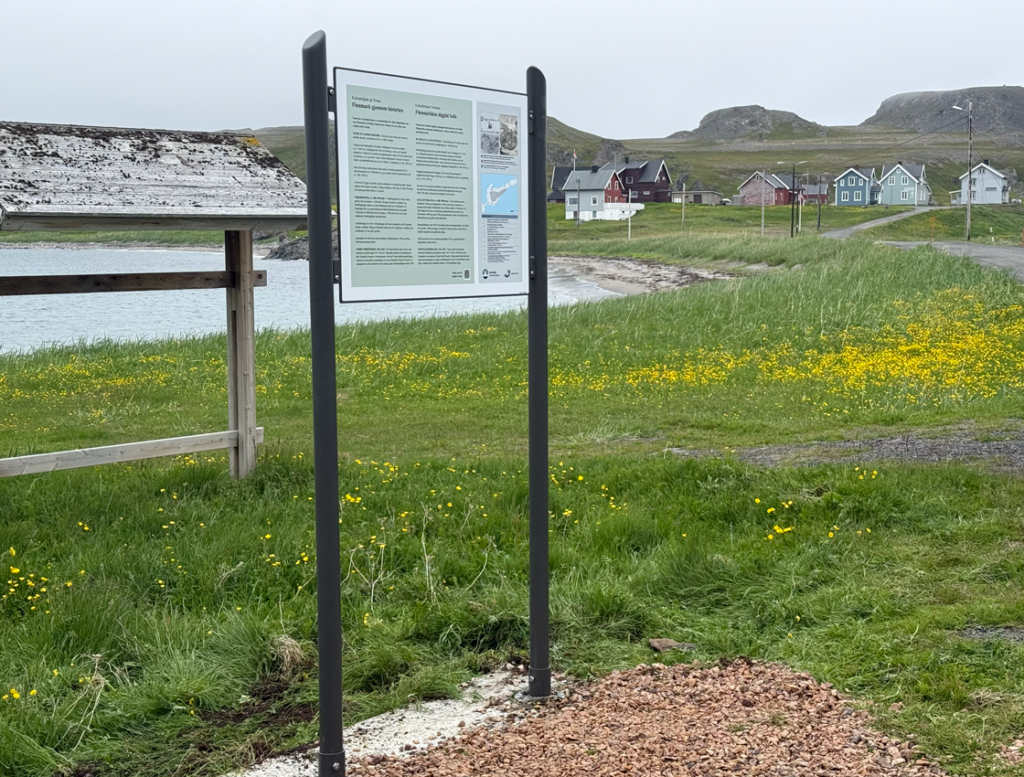
I am pleased to announce a new cultural heritage output.
In my capacity as a museum department head, I have researched and written the text for a new cultural heritage sign. I have also produced the map for the sign.
The sign has been professionally translated into Sámi.
On the 18th of July 2026, the sign was officially unveiled at Veines in Kongsfjord, Finnmark County, Norway.
The information sign was funded by a grant from the Norwegian Sámi Parliament.
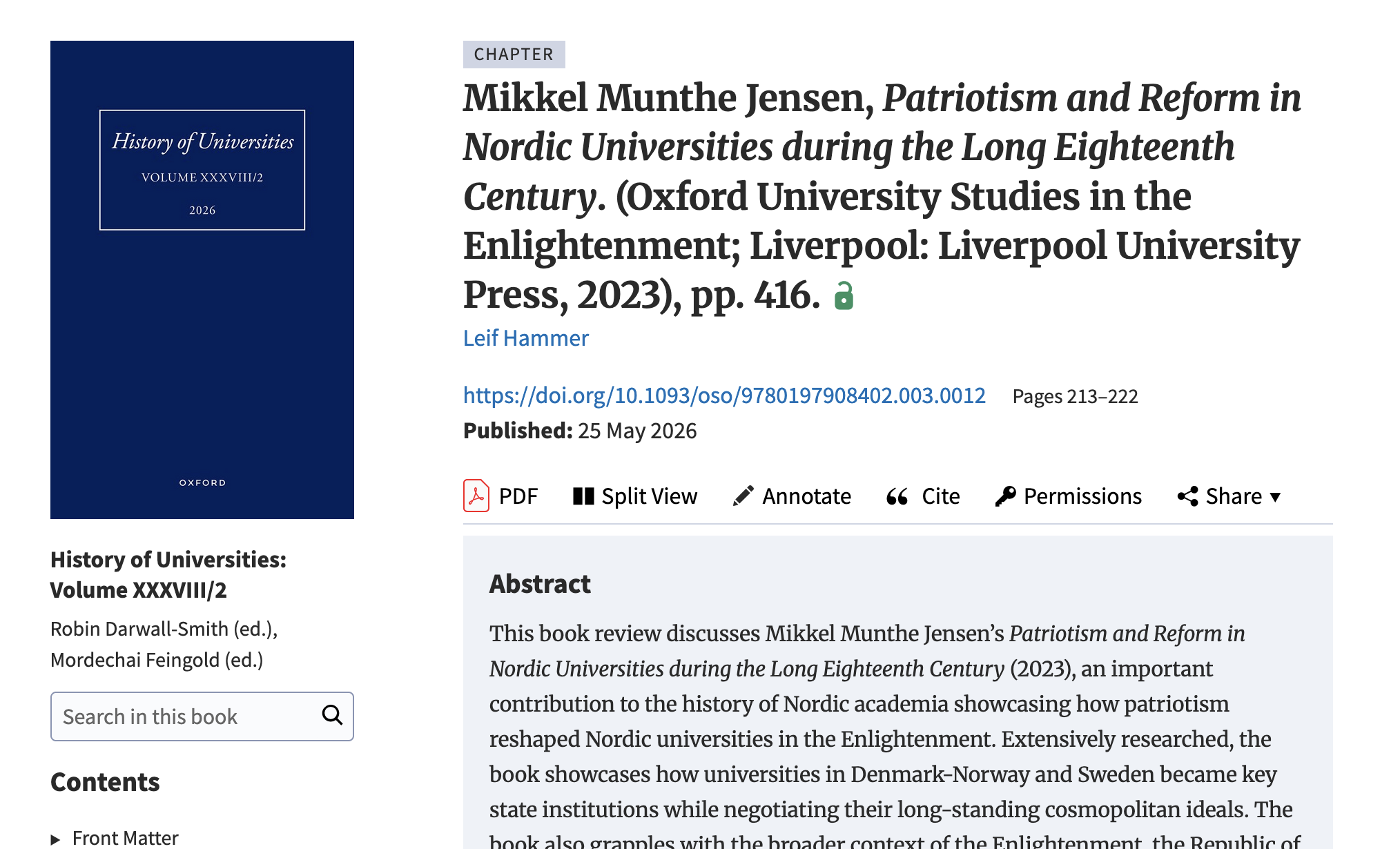
I have a book review out in History of Universities XXXVIII, no. 2 (2026).
The book I have reviewed is a monograph on Nordic universities in the long eighteenth century by Mikkel Munthe Jensen. It covers the changes universities in the Nordic region underwent in the long eighteenth century.
I started writing this review a good while ago, at the encouragement of Professor Mordechai Feingold (Caltech). But life, as it often does, came in the way and I didn’t find time to finish it. Later, Dr Robin Darwall-Smith (Oxford), who’s been very kind to me and helpful with my thesis research, asked me again after he also became editor of History of Universities. And this time, I finally sat down and finished my review.
The eighteenth century is generally considered a dull period for universities. Jensen shows that we should not disregard this period. Many interesting changes were happening within academia at the time. He also sheds light on a region of Europe often overlooked in university history: the Nordic region.
I won’t go into detail on that here. Not now. If you do have access through your university library, please read my book review, as well as all of the other reviews and articles in this fabulous volume of History of Universities, edited by Mordechai Feingold and Robin Darwall-Smith. And pick up Jensen’s book, too!
The full bibliographical info for the reviewed work is: Mikkel Munthe Jensen, Patriotism and Reform in Nordic Universities during the Long Eighteenth Century. (Oxford University Studies in the Enlightenment; Liverpool: Liverpool University Press, 2023), pp. 416.
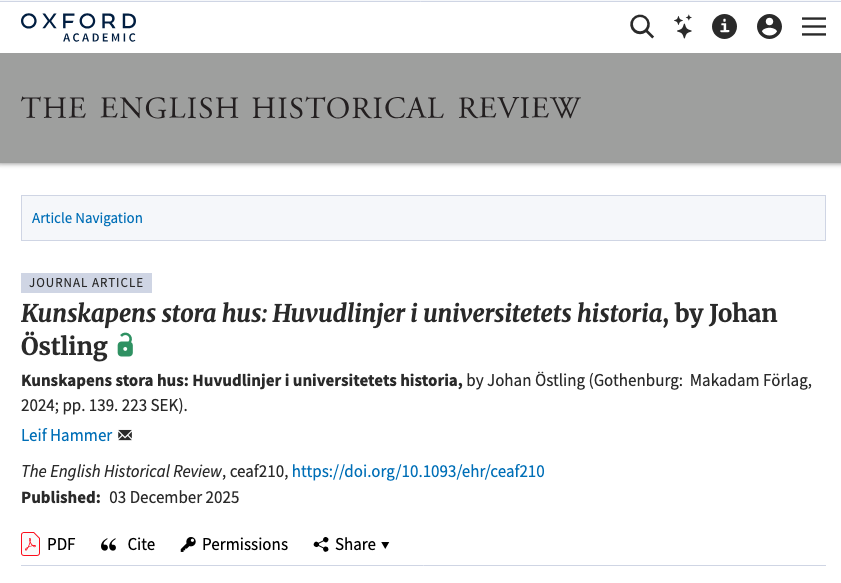
My review of Johan Östling’s book Kunskapens stora hus: Huvudlinjer i universitetets historia (2024) was just published in the English Historical Review on the 3rd of December 2025. Östling’s is a wonderful and concise book on university history
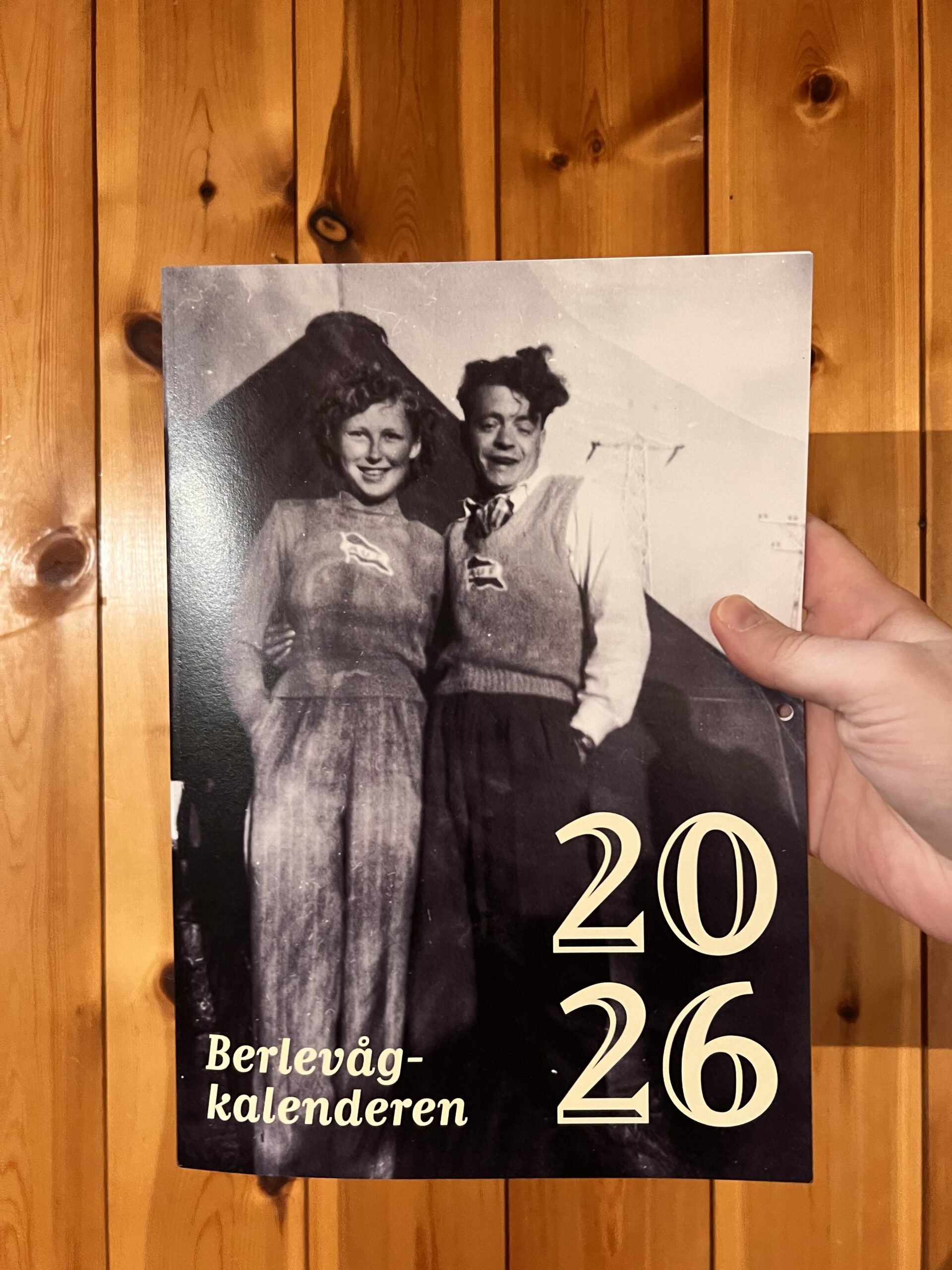
I have recently selected the photos and written the captions for the Berlevågkalenderen for 2026. This is a historical calendar published by the Berlevåg Harbour Museum. It’s goal, as I see it, is to disseminate different aspects of the local history. The calendar’s been published since the 90s (to my knowledge) and so it’s an honour to have been behind the entire production.
Selecting the images was a lengthy process. The photo archive database at my museum has some 5,000 objects —and that’s excluding the ones that have yet to be registered. Writing the captions involved using both the information already registered in the database (based on what informant’s could tell my predecessors about the photos) and retrieving new information from informants or by doing archival research. In my case, the digitised archive of Norwegian newspapers on the National Library’s website was invaluable.
Working on this has been a wonderful experience. It’s given us a chance to improve our database with new information and in some cases correcting erronous information —usually pertaining to dates. It’s also a wonderful way of getting glimpses into easily overlooked facets and pockets of local history, and to tie that history to both regional, national, and global ones.
The entries in the calendar range from a brutal murder in the 1890s to the opening of the public swimming pool in 1962; from an émigré to America in the early 1900s to a photo of my grandmother in a wintery landscape outside a house she bought, taken around 1990. Together the images tell stories of travel in its multiple meanings.
If anyone of my readers want to purchase the calendar for 190 NOK (around $19 or £15), plus shipping, feel free to email: post@berlevagmuseum.no.
Many thanks to Rudi Grafisk for the graphic design and Kraft Digitalprint for printing the calendars. Speaking to informants would have been impossible without the generous help of the local history society, who also looked through the proposed images and commented on them.