Tag: research

  • Cultural Heritage Information Sign

    Cultural Heritage Information Sign

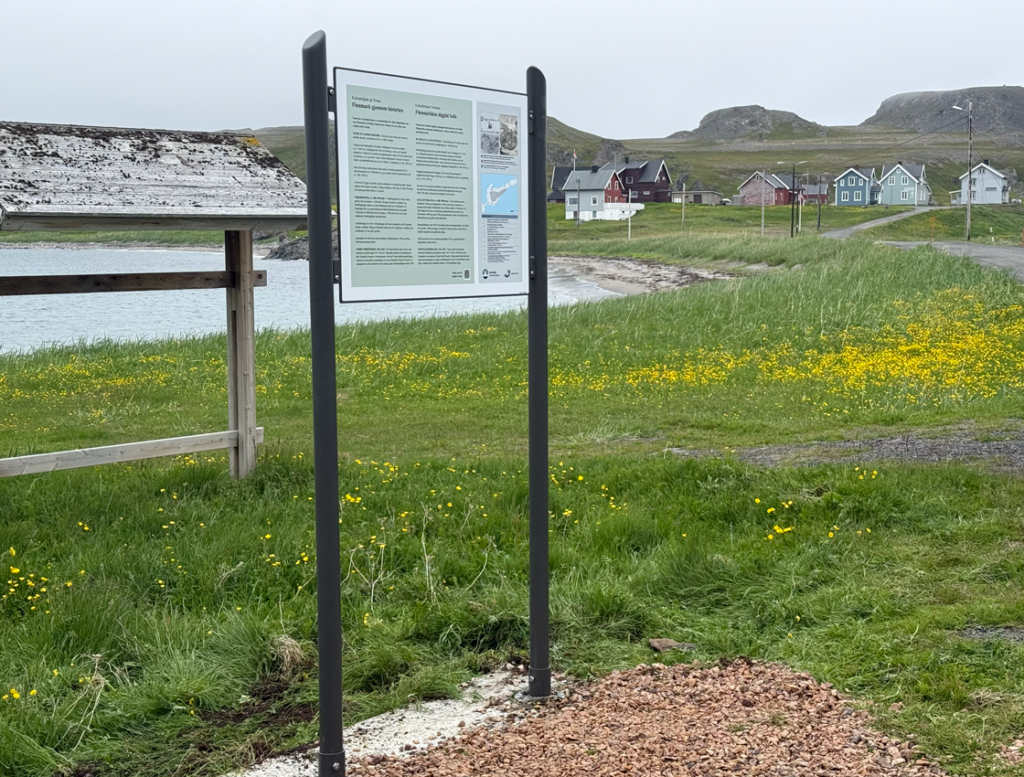
    I am pleased to announce a new cultural heritage output.

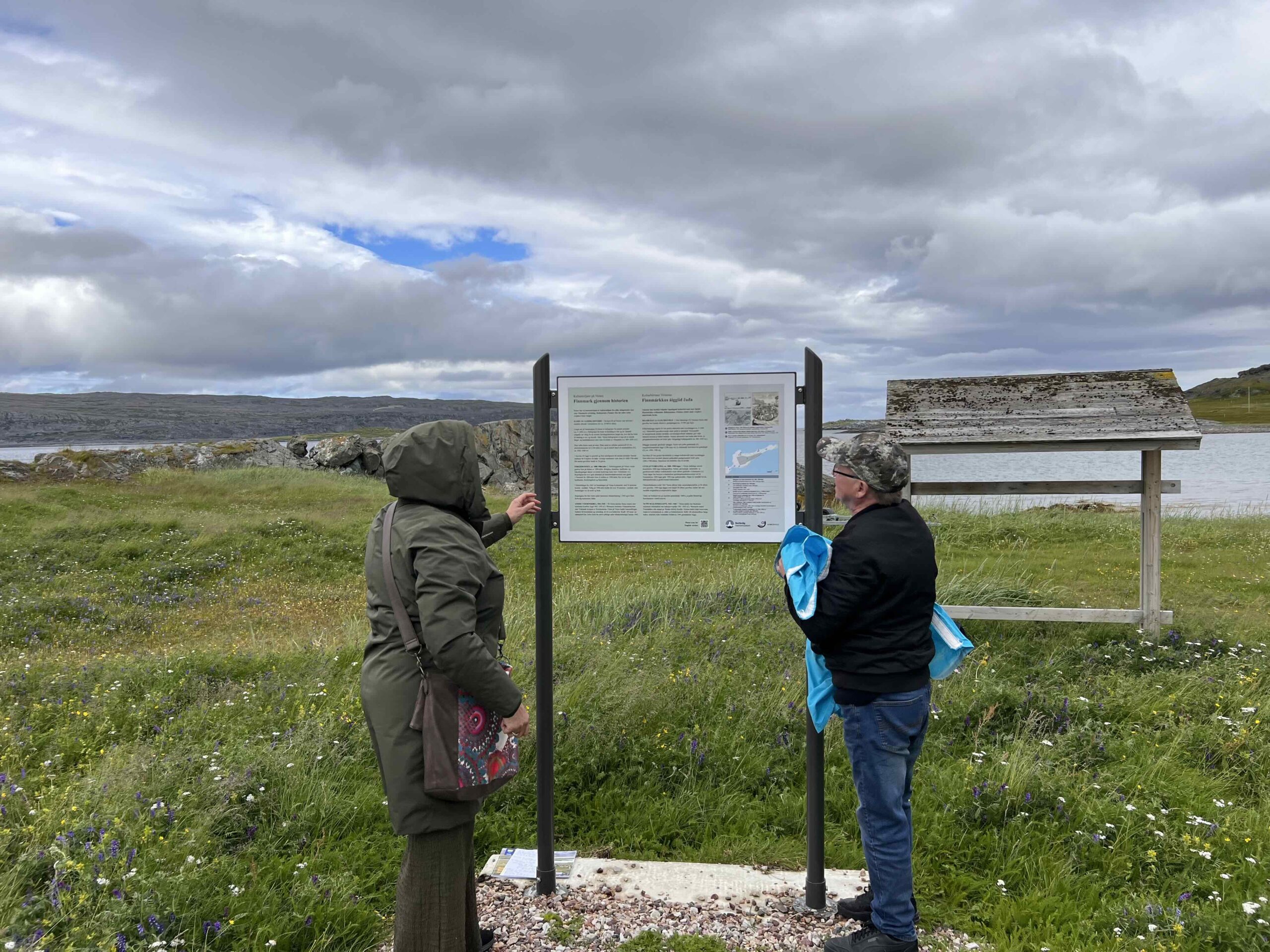
    In my capacity as a museum department head, I have researched and written the text for a new cultural heritage sign. I have also produced the map for the sign.

    The sign has been professionally translated into Sámi.

    On the 18th of July 2026, the sign was officially unveiled at Veines in Kongsfjord, Finnmark County, Norway.

    The information sign was funded by a grant from the Norwegian Sámi Parliament.

  • Stabbings, debt, and family ties: The Early Modern University Court in Theory and Practice (Conference)

    Stabbings, debt, and family ties: The Early Modern University Court in Theory and Practice (Conference)

    This January, I attended a wonderful university history conference in Limerick, Ireland. Organised by Professor Richard Kirwan and Dr Wouter Kreuze at the University of Limerick, along with a team of graduate students. The conference concerned university courts and jurisdiction in early modern Europe.

    The conference came out of Kirwan’s Malcontents project, which focuses on:

    “the nature and experience of marginality in the universities of the Holy Roman Empire in the early modern period. The project explores how academic communities and ruling authorities defined and responded to deviance in university contexts. The project themes are investigated across three work packages on religious non-conformity, social delinquency in the professoriate, and student ritual respectively. The project thus interrogates the importance of the identification and suppression of deviance in the substantiation of order in the early modern university and beyond.” (from the project website).

    The project’s funded by Taighde Éireann – Research Ireland.

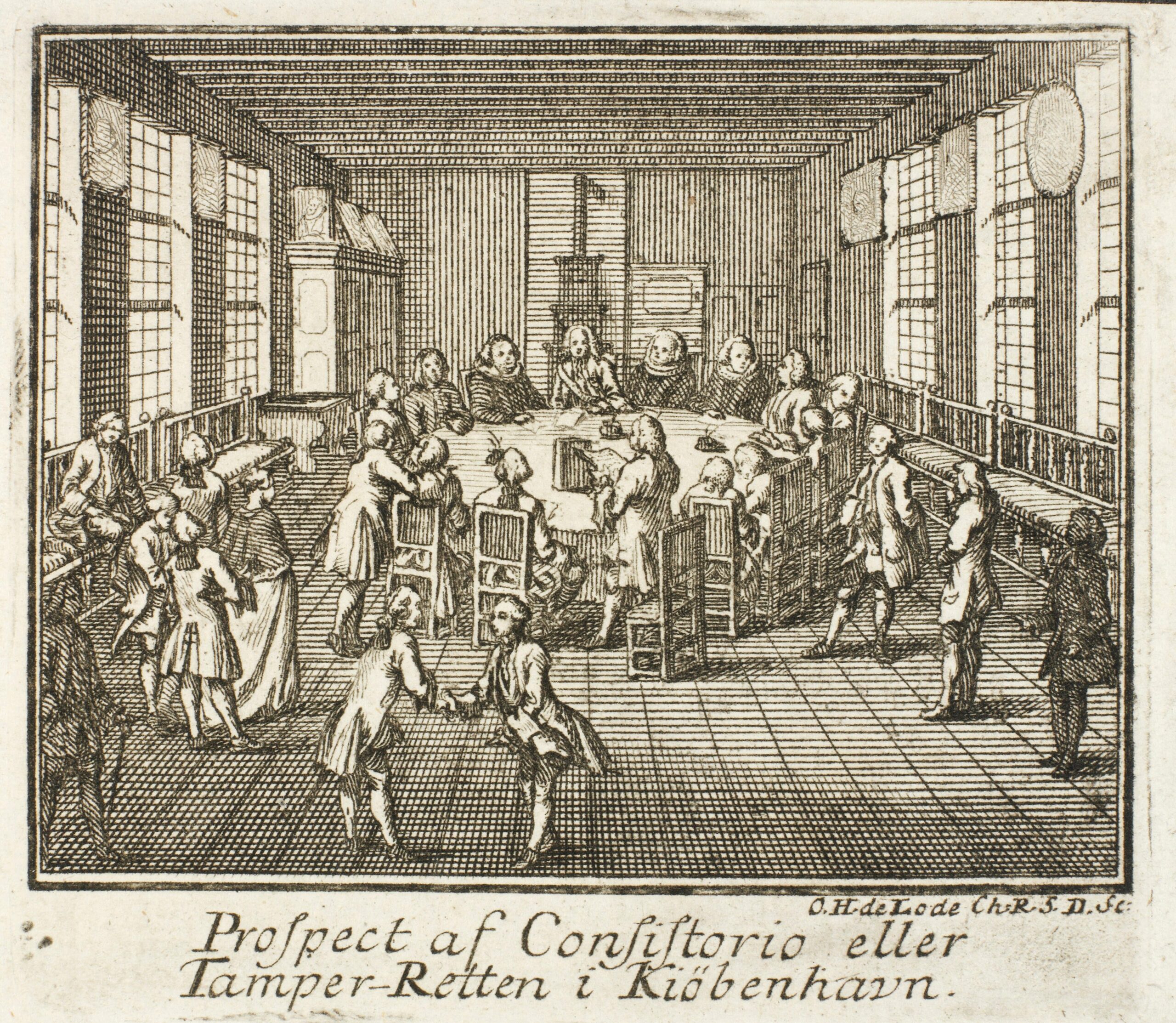
    Attending the conference was a great pleasure. It’s not every day that you get to meet fellow historians who specialise in university history. I am also happy that my paper “Nocturnal Activities: Contesting University Discipline in Eighteenth Century Oxford and Copenhagen” (and yes, that is a nod to Indiana Jones and the Temple of Doom) was very well-received!

    University jurisdiction

    We modern-day people are used to a single unified jurisdiction, but that was not the case in early modern Europe. The jurisdiction you came under depended heavily on who you were (social position, profession, geographical position, confession, etc.) as well as the nature of your crime. Most early modern universities had jurisdiction over their own members, their academic citizens. This citizenry included not only students and professors but also university book printers, officers, and servants, among others. If you broke the rules—depending on the severity of your rule-breaking—you might find yourself in the university court. Who this court consisted of and where it met varied from university to university, and in some places, other authorities were involved (such as external clergy, town representatives, and so on). For the most part, the university court consisted of the professoriate and the university’s head.

    Some highlights

    In two days, we navigated the complex histories of university courts, legal proceedings, disciplinary regimes, student deviance, and the difficulties of academic households and protecting (or trying to) your own. The following is merely a few highlights: Kreuze gave an important paper on document typologies in early modern German university courts.

    Ken Ird (Tartu) gave an interesting paper on the University of Tartu, which changed hands from being a European university founded by Gustav II Adolf of Sweden in 1632 to becoming part of tsarist Russia. It was the only traditional European (German) university in the Russian Empire. Ird also showed us the old student prison in Tartu.

    Colin Donnelly (Oxford) discussed Gottlieb Spitzel’s (a seventeenth-century Protestant theologian and polymath in Augsburg) views on morality and knowledge. His talk centred on academic virtue and vice in the context of religious confessionalism.

    Alan Ross (Vienna) spoke about ‘school courts’ and disciplinary regimes in the Holy Roman Empire. Ross brought up a case of pupils from a Protestant grammar school getting into brawls with the Catholic and Jesuit pupils. There was also a case of pupils crucifying a frog, burying the frog outside a professor’s house, then digging the frog up, and burying it in the Catholic graveyard.

    Kirwan discussed Koenigsberg professor Caspar Perband and the events of 1592–1596, when Perband was stripped of his academic title and post, reinstated by ducal order, then dismissed from the university and exiled from Prussia. Perband famously stabbed one of his students, and while his colleagues were prepared to excuse him, the authorities grew concerned with his behaviour (he was also a poor administrator and a drunkard).

    Mari Välimäki (Turku) presented a paper on academic families in early modern Sweden, focusing on a case of a student’s fornication with a servant girl. The student was the son of a university professor. Family ties and biases saw many professors excuse themselves from overseeing this court case.

    I also really enjoyed Professor Dr Marian Füssel’s (Georg-August-Universität Göttingen) keynote on student deviant practices in the Holy Roman Empire. And I was happy to finally meet Professor Kirwan in person (having previously corresponded via email). There are not that many historians focused on Nordic universities, therefore I am especially happy to have gotten to know Dr Mari Välimäki.

    This post is an excerpt from my Substack. To read the full blog post, go to leifhammer.substack.com
  • New publication: a historical calendar

    New publication: a historical calendar

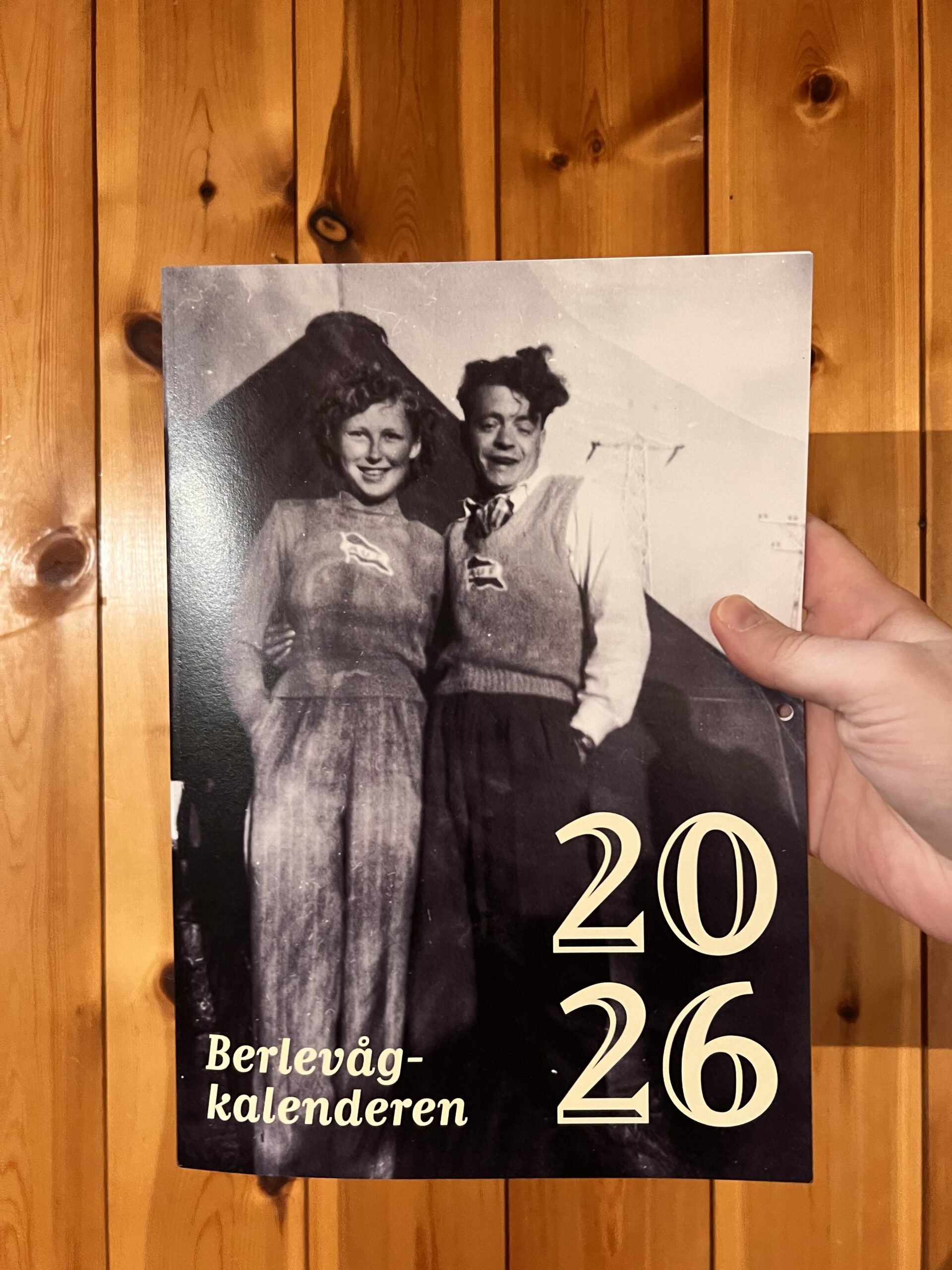
    I have recently selected the photos and written the captions for the Berlevågkalenderen for 2026. This is a historical calendar published by the Berlevåg Harbour Museum. It’s goal, as I see it, is to disseminate different aspects of the local history. The calendar’s been published since the 90s (to my knowledge) and so it’s an honour to have been behind the entire production.

    Selecting the images was a lengthy process. The photo archive database at my museum has some 5,000 objects —and that’s excluding the ones that have yet to be registered. Writing the captions involved using both the information already registered in the database (based on what informant’s could tell my predecessors about the photos) and retrieving new information from informants or by doing archival research. In my case, the digitised archive of Norwegian newspapers on the National Library’s website was invaluable.

    Working on this has been a wonderful experience. It’s given us a chance to improve our database with new information and in some cases correcting erronous information —usually pertaining to dates. It’s also a wonderful way of getting glimpses into easily overlooked facets and pockets of local history, and to tie that history to both regional, national, and global ones.

    The entries in the calendar range from a brutal murder in the 1890s to the opening of the public swimming pool in 1962; from an émigré to America in the early 1900s to a photo of my grandmother in a wintery landscape outside a house she bought, taken around 1990. Together the images tell stories of travel in its multiple meanings.

    If anyone of my readers want to purchase the calendar for 190 NOK (around $19 or £15), plus shipping, feel free to email: post@berlevagmuseum.no.

    Many thanks to Rudi Grafisk for the graphic design and Kraft Digitalprint for printing the calendars. Speaking to informants would have been impossible without the generous help of the local history society, who also looked through the proposed images and commented on them.

    This blog post has also appeared on my Substack.

  • Course certification: GIS

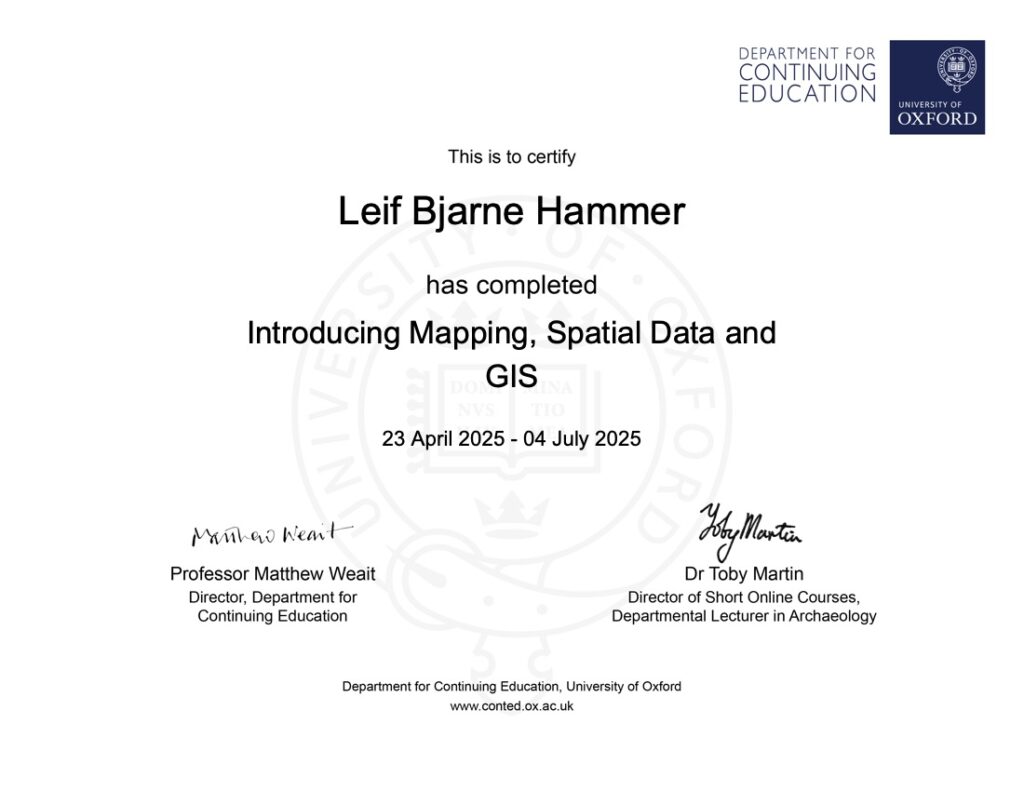
    I am pleased to announce that I have finished the online course Introducing Mapping, Spatial Data and GIS from the Department for Continuing Education at the University of Oxford, which ran from 23 April to 4 July 2025.

    The course has allowed me to explore ideas and uncertainties that underpin the creation and use of spatial data and maps. I have explored the GIS software QGIS and produced my own georeferenced historical map.

    I decided to join the course because I want to create my own maps for my DPhil thesis but I also look forward to delving deeper into using GIS in the future — both for my own work as a historian and museum head.

  • Career news: Museum department head

    I will be joining the Museums for Coastal Heritage and Reconstruction in Finnmark, Norway, as head of one of their six museums.

    From late June 2025, I will be taking over the role as Museum Department Head for one of the six museums in the group Museums for Coastal Heritage and Reconstruction in Finnmark (Museene for kystkultur og gjenreising i Finnmark), also part of the larger consortium Museums of the Norwegian Coastal Administration (Kystverkmusea).

    I look forward to taking on this role and to continuing the great work my predecessor did in fascilitating the museum’s position as a key cultural institution in the local community. I look forward to working with local history and to expanding the museum’s collections to include more recent history and to placing that local history in a regional, national, and international context. Together with the group, and its head of research, I hope to work together on research projects and look to collaborate with other museums and research groups in the Nordic countries.

    There are many overlooked facets in the Finnmark region’s fascinating history that I think it is time to explore. In these uncertain times, I think local communities are a corner stone, and knowing one’s local history and how people in the past —in that paticular space— have responded to challenges and persevered is more important than ever and a source of inspiration and meaning.

    With my DPhil slowly nearing its end (I look to submit in the coming months), I cannot wait for this next chapter. Of course, I will be keeping you all posted about what happens.